| Vorheriges Thema anzeigen :: Nächstes Thema anzeigen |
| Autor |
Nachricht |
enzodm 


Anmeldungsdatum: 11.09.2010
Beiträge: 350
Wohnort: Italy
|
 Verfasst am: Fr Apr 12, 2013 4:04 pm Titel: Meniscus (DIY) |
|
Verfasst am: Fr Apr 12, 2013 4:04 pm Titel: Meniscus (DIY) |
|
|
enzodm wrote:
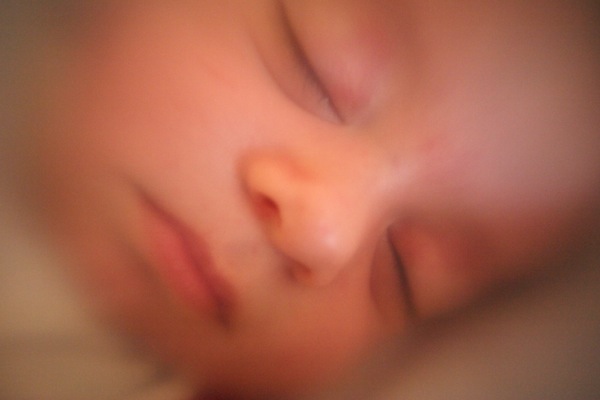
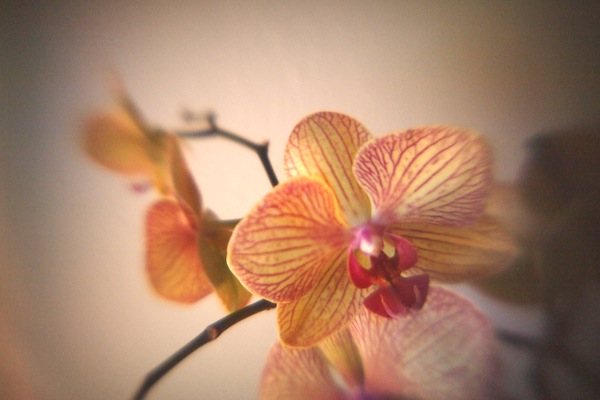
Following the request for a kick in the pants, I put here instead of the lenses forum my new hack. I bought a concave-convex lens on Ebay, 16mm diameter, 25mm focal length (declared), and applied to a E-P1 with some quickly made sort of mount so ugly that I do not want to show it (to avoid real kicks  ).
This follows my attempt of reusing a disposable camera lens: http://forum.mflenses.com/silly-rainy-day-project-disposable-camera-lens-t57852.html .
Real focal length resulted in something around 13-14mm, however since there is no mirror, I managed to put it recessed, although I did not have yet the bravery of reaching infinity.
Anyway, results are as follows (with some cardboard iris: around f/2 the first if I remember well, and f/4 or so the latter).

_________________
Canon 60D, Tamron 17-50VC, Canon 55-250IS, Sigma 50-150/2.8 plus:
Wide: Mir 20/3.5, Kenlock 24/2.8, Tamron 28/2.5, Yashikor 35/2.8, Mir 37/2.8
Fifties: Voigtländer Color Ultron 50/1.8, Pentacon 50/1.8, Zenitar 50/1.9, Leica Summicron 50/2, CZJ Pancolar 50/2, CZJ Tessar 50/2.8, Industar 50/3.5 , Rikenon 55/1.4, Petri 55/1.8, Helios 58/2
In the middle: Cyclop 85/1.5, Nikon 100/2.8
135s: Tamron 135/2.5, CZJ Sonnar 135/3.5, Jupiter 135/3.5, CZJ Triotar 135/4, Tamron Twin Tele 135-225
Tele: Soligor 200/2.8, Pentax Super Takumar 200/4, Hanimex 400/6.3, Makinon 500/8
Various: Schneider-Kreuznach Componar 135/4.5, Tominon 105/4.5, Vest Pocket Kodak meniscus, Wray Supar 2"/4.5
Sony Nex 6 plus:
Industar 69 28/2.8, Fujian 35/1.7, Rokkor 50/1.4, Jupiter 50/2, Cosmicar 50/2.8, Industar-22 50/3.5, Leitz Elmar 90/4, Canon Serenar 100/4
Zuletzt bearbeitet von enzodm am Fr Sep 19, 2014 8:31 am, insgesamt ein Mal bearbeitet |
|
| Nach oben |
|
 |
RSalles


Anmeldungsdatum: 12.08.2012
Beiträge: 1372
Wohnort: Brazil - RS / South
|
Verfasst am: Fr Apr 12, 2013 4:23 pm Titel: |
|
Verfasst am: Fr Apr 12, 2013 4:23 pm Titel: |
|
|
RSalles wrote:
The second shot is terrific, scene made for this lens,
Renato |
|
| Nach oben |
|
|
GrahamNR17

Anmeldungsdatum: 17.01.2009
Beiträge: 1855
Wohnort: Norfolk, UK
Expire: 2012-09-06
|
Verfasst am: Fr Apr 12, 2013 4:39 pm Titel: |
|
Verfasst am: Fr Apr 12, 2013 4:39 pm Titel: |
|
|
GrahamNR17 wrote:
Wow, such a dreamy effect. The flower and the baby work really well for it  |
|
| Nach oben |
|
|
SXR_Mark

Anmeldungsdatum: 12.06.2010
Beiträge: 506
Wohnort: England
|
Verfasst am: Fr Apr 12, 2013 8:41 pm Titel: |
|
Verfasst am: Fr Apr 12, 2013 8:41 pm Titel: |
|
|
SXR_Mark wrote:
I really like the dreamy effect in the first picture. I actually find the picture of baby's face rather disturbing, Because the chin dissolves into blur, I see the face as detached, as if it has been cut off. 
Before photography was invented, Wollaston discovered that a simple meniscus lens gave a much flatter field than a simple biconvex lens when used in a Camera Obscura. The disadvantage of the meniscus is worse chromatic aberration, which was problem for early photography as it meant getting the best focus was difficult. (Daguerrotype plates were sensitive to blue light but the eye focussed with the green part of the spectrum). You could try converting to greyscale using just a single colour channel (equivalent to using a colour filter on the lens) to see how that affects the sharpness.
Did you have the convex or concave surface facing the subject? You can try either way around. Wollaston had the concave surface in front and placed a simple stop in front of the lens to reduce the aberrations (a lot of spherical aberration).
Mark
_________________
Olympus OM-D E-M1 for everything |
|
| Nach oben |
|
|
enzodm
Anmeldungsdatum: 11.09.2010
Beiträge: 350
Wohnort: Italy
|
Verfasst am: Sa Apr 13, 2013 7:59 pm Titel: |
|
Verfasst am: Sa Apr 13, 2013 7:59 pm Titel: |
|
|
enzodm wrote:
Mark: thank you for the infos, in particular the possibility of reverting the lens. I'll try soon (now is convex to the subject).
I have yet to try b/w, and I confirm that there is a lot of spherical abherration.
_________________
Canon 60D, Tamron 17-50VC, Canon 55-250IS, Sigma 50-150/2.8 plus:
Wide: Mir 20/3.5, Kenlock 24/2.8, Tamron 28/2.5, Yashikor 35/2.8, Mir 37/2.8
Fifties: Voigtländer Color Ultron 50/1.8, Pentacon 50/1.8, Zenitar 50/1.9, Leica Summicron 50/2, CZJ Pancolar 50/2, CZJ Tessar 50/2.8, Industar 50/3.5 , Rikenon 55/1.4, Petri 55/1.8, Helios 58/2
In the middle: Cyclop 85/1.5, Nikon 100/2.8
135s: Tamron 135/2.5, CZJ Sonnar 135/3.5, Jupiter 135/3.5, CZJ Triotar 135/4, Tamron Twin Tele 135-225
Tele: Soligor 200/2.8, Pentax Super Takumar 200/4, Hanimex 400/6.3, Makinon 500/8
Various: Schneider-Kreuznach Componar 135/4.5, Tominon 105/4.5, Vest Pocket Kodak meniscus, Wray Supar 2"/4.5
Sony Nex 6 plus:
Industar 69 28/2.8, Fujian 35/1.7, Rokkor 50/1.4, Jupiter 50/2, Cosmicar 50/2.8, Industar-22 50/3.5, Leitz Elmar 90/4, Canon Serenar 100/4
|
|
| Nach oben |
|
|
|
|
|
Du kannst keine Beiträge in dieses Forum schreiben.
Du kannst auf Beiträge in diesem Forum nicht antworten.
Du kannst deine Beiträge in diesem Forum nicht bearbeiten.
Du kannst deine Beiträge in diesem Forum nicht löschen.
Du kannst an Umfragen in diesem Forum nicht mitmachen.
|
 Deutsch
 Español
 中文
 Magyar
 Русский
 日本語
 Français