| Vorheriges Thema anzeigen :: Nächstes Thema anzeigen |
| Autor |
Nachricht |
A G Photography 


Anmeldungsdatum: 11.05.2008
Beiträge: 1480
Wohnort: Bologna - Italy
|
 Verfasst am: Fr Mai 01, 2009 11:33 am Titel: Food Photography: Lighting |
|
Verfasst am: Fr Mai 01, 2009 11:33 am Titel: Food Photography: Lighting |
|
|
A G Photography wrote:
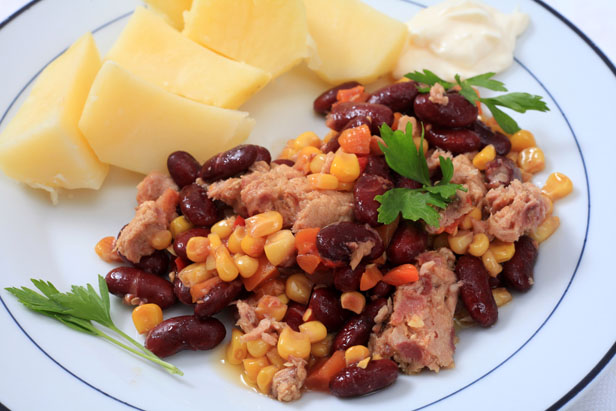
Today I posted on my blog a deep examination of the following shot I made for my blog, writing about how lightning has been made and why:

If someone is interested in having a glimpse the link is: http://foodografia.blogspot.com/2009/05/fotografia-di-food-illuminazione-food.html
_________________
Alessandro
My Photography Website
My Blog about Photography and Italian Cuisine
My Photostream on Flickr
--------------------------------------------------------
DSLR: Nikon d80, Olympus e410
SLR: Chinon CX, Fujica ST605n, Nikon f601, Pentacon FM, Pentax Spotmatic SPII, Praktica FX, Praktica FX2, Voigtlander VST1, Yashica FX-3, Zeiss Contaflex
RF: Altissa Altix, Zorki Ie, Kiev 4b
Medium Format: Pentacon Six TL, Zeiss Ikonta 520/2, Mockba 4, Voigtlander Bessa I, Agfa Isolette II, Agfa Isola
Large Format: Cambo SC 4x5, Rodenstock Sinaron 150/5.6, Rodenstock Rodagon 150/5.6, Schneider Kreuznach Symmar 180/5.6
Lenses
Nikkors: 28/3.5 AIS, 35/2, 50/1.8, 50/2 H, Micro 55/3.5, Micro 60/2.8, 85/1.8, 135/3.5 AI, 200/4 NAI, 18-55/3.5-5.6, 28-80/3.5-5.6, 55-200/4-5.6
CY: Distagon 28/2.8, Planar 50/1.4, Yashika 50/1.7, Sonnar 135/2.8
CZJ m42-Exakta: Flektogon 20/4, Flektogon 35/2.8, Tessar 40/4.5, Tessar 50/2.8, Pancolar 50/1.8, Pancolar 50/2, Biotar 58/2, Biotar 75/1.5, Tessar 80/2.8, Sonnar 135/3.5, Sonnar 135/4, Triotar 135/4
CZJ P6: Flektogon 50/4, Flektogon 65/2.8, Biometar 80/2.8, Biometar 120/2.8, Sonnar 180/2.8
Meyer-Pentacon: Orestegon 29/2.8, Pentacon 29/2.8, Lydith 30/3.5, Primagon 35/4.5, Helioplan 40/4.5, Domiplan 50/2.8, Primotar 50/3.5, Oreston 50/1.8, Primoplan 58/1.9, Orestor 100/2.8, Trioplan 100/2.8, Helioplan 135/4.5, Orestor 135/2.8, Pentacon 135/2.8, Primotar 135/3.5, Primotar 180/3.5, Telemegor 180/5.5, Orestegor 200/4, Pentacon 200/4, Orestegor 300/4, Telemegor 300/4.5, Telemegor 400/5.5
Schneider-Kreuznach: Curtagon 28/4, Curtagon 35/2.8, Xenon 50/1.9, Xenar 50/2.8, Tele Xenar 135/3.5, Tele Xenar 200/4
Russians: Arsat Zodiak 30/3.5, Mir-I 37/2.8, Volna-9 50/2.8, Industar-50 50/3.5, Industar-61 50/2.8, Helios 44 58/2, Helios 44-2 58/2, Helios 44-M-4 58/2, Volna-3 80/2.8, Helios 40 85/1.5, Jupiter 9 85/2, Jupiter 11 135/4
Others: Chinon-Tomioka 55/1.4, Helios 28/2.8, Isco Iscotar 50/2.8, Konica Hexanon 40/1.8, Ludwig Meritar 50/2.9, Schacht Travegon 35/3.5, Schacht Travenon 135/4.5, Sekor 55/1.8, Sigma MF 28/2.8, S-Takumar, 28/3.5, S-Takumar 50/1.4, S-Takumar 55/1.8, S-Takumar 55/2, Steinheil Quinar 135/2.8, Steinheil Culminar 135/4.5, Vivitar 135/2.8, Voigtlander Ultron 50/1.8, Yashica Yashinon DX 50/1.4, Zuiko MC Auto-W 28/2.8
Zuletzt bearbeitet von A G Photography am Mi Jun 17, 2009 5:03 pm, insgesamt ein Mal bearbeitet |
|
| Nach oben |
|
 |
Attila


Anmeldungsdatum: 24.02.2007
Beiträge: 58002
Expire: 2025-11-18
|
Verfasst am: Fr Mai 01, 2009 11:38 am Titel: |
|
Verfasst am: Fr Mai 01, 2009 11:38 am Titel: |
|
|
Attila wrote:
Many thanks ! I wish to write a cook book  Excellent images ! |
|
| Nach oben |
|
|
GrahamNR17

Anmeldungsdatum: 17.01.2009
Beiträge: 1855
Wohnort: Norfolk, UK
Expire: 2012-09-06
|
Verfasst am: Fr Mai 01, 2009 11:39 am Titel: |
|
Verfasst am: Fr Mai 01, 2009 11:39 am Titel: |
|
|
GrahamNR17 wrote:
Thankyou Alessandro, I am always impressed with your photography, thanks for sharing your lighting techniques. I guess it really is very simple once you know how!
I think I will experiment with this technique at the weekend  |
|
| Nach oben |
|
|
A G Photography
Anmeldungsdatum: 11.05.2008
Beiträge: 1480
Wohnort: Bologna - Italy
|
Verfasst am: Fr Mai 01, 2009 11:42 am Titel: |
|
Verfasst am: Fr Mai 01, 2009 11:42 am Titel: |
|
|
A G Photography wrote:
Thanks to both of you. I just hope my english be understandable.
_________________
Alessandro
My Photography Website
My Blog about Photography and Italian Cuisine
My Photostream on Flickr
--------------------------------------------------------
DSLR: Nikon d80, Olympus e410
SLR: Chinon CX, Fujica ST605n, Nikon f601, Pentacon FM, Pentax Spotmatic SPII, Praktica FX, Praktica FX2, Voigtlander VST1, Yashica FX-3, Zeiss Contaflex
RF: Altissa Altix, Zorki Ie, Kiev 4b
Medium Format: Pentacon Six TL, Zeiss Ikonta 520/2, Mockba 4, Voigtlander Bessa I, Agfa Isolette II, Agfa Isola
Large Format: Cambo SC 4x5, Rodenstock Sinaron 150/5.6, Rodenstock Rodagon 150/5.6, Schneider Kreuznach Symmar 180/5.6
Lenses
Nikkors: 28/3.5 AIS, 35/2, 50/1.8, 50/2 H, Micro 55/3.5, Micro 60/2.8, 85/1.8, 135/3.5 AI, 200/4 NAI, 18-55/3.5-5.6, 28-80/3.5-5.6, 55-200/4-5.6
CY: Distagon 28/2.8, Planar 50/1.4, Yashika 50/1.7, Sonnar 135/2.8
CZJ m42-Exakta: Flektogon 20/4, Flektogon 35/2.8, Tessar 40/4.5, Tessar 50/2.8, Pancolar 50/1.8, Pancolar 50/2, Biotar 58/2, Biotar 75/1.5, Tessar 80/2.8, Sonnar 135/3.5, Sonnar 135/4, Triotar 135/4
CZJ P6: Flektogon 50/4, Flektogon 65/2.8, Biometar 80/2.8, Biometar 120/2.8, Sonnar 180/2.8
Meyer-Pentacon: Orestegon 29/2.8, Pentacon 29/2.8, Lydith 30/3.5, Primagon 35/4.5, Helioplan 40/4.5, Domiplan 50/2.8, Primotar 50/3.5, Oreston 50/1.8, Primoplan 58/1.9, Orestor 100/2.8, Trioplan 100/2.8, Helioplan 135/4.5, Orestor 135/2.8, Pentacon 135/2.8, Primotar 135/3.5, Primotar 180/3.5, Telemegor 180/5.5, Orestegor 200/4, Pentacon 200/4, Orestegor 300/4, Telemegor 300/4.5, Telemegor 400/5.5
Schneider-Kreuznach: Curtagon 28/4, Curtagon 35/2.8, Xenon 50/1.9, Xenar 50/2.8, Tele Xenar 135/3.5, Tele Xenar 200/4
Russians: Arsat Zodiak 30/3.5, Mir-I 37/2.8, Volna-9 50/2.8, Industar-50 50/3.5, Industar-61 50/2.8, Helios 44 58/2, Helios 44-2 58/2, Helios 44-M-4 58/2, Volna-3 80/2.8, Helios 40 85/1.5, Jupiter 9 85/2, Jupiter 11 135/4
Others: Chinon-Tomioka 55/1.4, Helios 28/2.8, Isco Iscotar 50/2.8, Konica Hexanon 40/1.8, Ludwig Meritar 50/2.9, Schacht Travegon 35/3.5, Schacht Travenon 135/4.5, Sekor 55/1.8, Sigma MF 28/2.8, S-Takumar, 28/3.5, S-Takumar 50/1.4, S-Takumar 55/1.8, S-Takumar 55/2, Steinheil Quinar 135/2.8, Steinheil Culminar 135/4.5, Vivitar 135/2.8, Voigtlander Ultron 50/1.8, Yashica Yashinon DX 50/1.4, Zuiko MC Auto-W 28/2.8
|
|
| Nach oben |
|
|
magnet-2009

Anmeldungsdatum: 22.04.2009
Beiträge: 505
Wohnort: Greece, Athens
|
Verfasst am: Fr Mai 01, 2009 11:49 am Titel: |
|
Verfasst am: Fr Mai 01, 2009 11:49 am Titel: |
|
|
magnet-2009 wrote:
Thank you Alessandro, very interesting tip [but opens the appetite - not good for me  ]
_________________
My flickr___ My Wix___ RailPictures |
|
| Nach oben |
|
|
Orio

Anmeldungsdatum: 24.02.2007
Beiträge: 29545
Wohnort: West Emilia
Expire: 2012-12-04
|
Verfasst am: Fr Mai 01, 2009 11:50 am Titel: |
|
Verfasst am: Fr Mai 01, 2009 11:50 am Titel: |
|
|
Orio wrote:
Good photo!
Another advantage: this is a vampyre-safe thread :
_________________
Orio, Administrator
T*
NE CEDE MALIS AUDENTIOR ITO
Ferrania film is reborn! http://www.filmferrania.it/
Support the Ornano film chemicals company and help them survive!
http://forum.mflenses.com/ornano-chemical-products-t55525.html |
|
| Nach oben |
|
|
lulalake

Anmeldungsdatum: 22.04.2007
Beiträge: 1191
Wohnort: Near Austin Texas
Expire: 2011-11-18
|
Verfasst am: Fr Mai 01, 2009 12:50 pm Titel: |
|
Verfasst am: Fr Mai 01, 2009 12:50 pm Titel: |
|
|
lulalake wrote:
Alessandro,
I have very much enjoyed your blog and articles about food photography. Thanks very much!
Jules |
|
| Nach oben |
|
|
Nesster

Anmeldungsdatum: 24.04.2008
Beiträge: 5883
Wohnort: NJ, USA
Expire: 2014-02-20
|
Verfasst am: Fr Mai 01, 2009 1:08 pm Titel: |
|
Verfasst am: Fr Mai 01, 2009 1:08 pm Titel: |
|
|
Nesster wrote:
A wonderful example and a delicious shot, Alessandro!
The thing I note also is how large the light source is - that's surely part of the magic. I rarely if ever use the reflector to open shadows thing, which I really ought to do more often. My daughter of couse knows all about that stuff...
_________________
-Jussi
Camera photos
Print Photographica
|
|
| Nach oben |
|
|
A G Photography
Anmeldungsdatum: 11.05.2008
Beiträge: 1480
Wohnort: Bologna - Italy
|
Verfasst am: Fr Mai 01, 2009 1:19 pm Titel: |
|
Verfasst am: Fr Mai 01, 2009 1:19 pm Titel: |
|
|
A G Photography wrote:
| Nesster hat folgendes geschrieben:: |
The thing I note also is how large the light source is - that's surely part of the magic. |
The larger and nearer the light source the softer the lightning.
The smaller and more distant the light source the harsher the lightning.
_________________
Alessandro
My Photography Website
My Blog about Photography and Italian Cuisine
My Photostream on Flickr
--------------------------------------------------------
DSLR: Nikon d80, Olympus e410
SLR: Chinon CX, Fujica ST605n, Nikon f601, Pentacon FM, Pentax Spotmatic SPII, Praktica FX, Praktica FX2, Voigtlander VST1, Yashica FX-3, Zeiss Contaflex
RF: Altissa Altix, Zorki Ie, Kiev 4b
Medium Format: Pentacon Six TL, Zeiss Ikonta 520/2, Mockba 4, Voigtlander Bessa I, Agfa Isolette II, Agfa Isola
Large Format: Cambo SC 4x5, Rodenstock Sinaron 150/5.6, Rodenstock Rodagon 150/5.6, Schneider Kreuznach Symmar 180/5.6
Lenses
Nikkors: 28/3.5 AIS, 35/2, 50/1.8, 50/2 H, Micro 55/3.5, Micro 60/2.8, 85/1.8, 135/3.5 AI, 200/4 NAI, 18-55/3.5-5.6, 28-80/3.5-5.6, 55-200/4-5.6
CY: Distagon 28/2.8, Planar 50/1.4, Yashika 50/1.7, Sonnar 135/2.8
CZJ m42-Exakta: Flektogon 20/4, Flektogon 35/2.8, Tessar 40/4.5, Tessar 50/2.8, Pancolar 50/1.8, Pancolar 50/2, Biotar 58/2, Biotar 75/1.5, Tessar 80/2.8, Sonnar 135/3.5, Sonnar 135/4, Triotar 135/4
CZJ P6: Flektogon 50/4, Flektogon 65/2.8, Biometar 80/2.8, Biometar 120/2.8, Sonnar 180/2.8
Meyer-Pentacon: Orestegon 29/2.8, Pentacon 29/2.8, Lydith 30/3.5, Primagon 35/4.5, Helioplan 40/4.5, Domiplan 50/2.8, Primotar 50/3.5, Oreston 50/1.8, Primoplan 58/1.9, Orestor 100/2.8, Trioplan 100/2.8, Helioplan 135/4.5, Orestor 135/2.8, Pentacon 135/2.8, Primotar 135/3.5, Primotar 180/3.5, Telemegor 180/5.5, Orestegor 200/4, Pentacon 200/4, Orestegor 300/4, Telemegor 300/4.5, Telemegor 400/5.5
Schneider-Kreuznach: Curtagon 28/4, Curtagon 35/2.8, Xenon 50/1.9, Xenar 50/2.8, Tele Xenar 135/3.5, Tele Xenar 200/4
Russians: Arsat Zodiak 30/3.5, Mir-I 37/2.8, Volna-9 50/2.8, Industar-50 50/3.5, Industar-61 50/2.8, Helios 44 58/2, Helios 44-2 58/2, Helios 44-M-4 58/2, Volna-3 80/2.8, Helios 40 85/1.5, Jupiter 9 85/2, Jupiter 11 135/4
Others: Chinon-Tomioka 55/1.4, Helios 28/2.8, Isco Iscotar 50/2.8, Konica Hexanon 40/1.8, Ludwig Meritar 50/2.9, Schacht Travegon 35/3.5, Schacht Travenon 135/4.5, Sekor 55/1.8, Sigma MF 28/2.8, S-Takumar, 28/3.5, S-Takumar 50/1.4, S-Takumar 55/1.8, S-Takumar 55/2, Steinheil Quinar 135/2.8, Steinheil Culminar 135/4.5, Vivitar 135/2.8, Voigtlander Ultron 50/1.8, Yashica Yashinon DX 50/1.4, Zuiko MC Auto-W 28/2.8
|
|
| Nach oben |
|
|
Dream Merchant

Anmeldungsdatum: 19.07.2009
Beiträge: 92
Wohnort: Singapore
|
Verfasst am: So Jul 19, 2009 5:48 pm Titel: |
|
Verfasst am: So Jul 19, 2009 5:48 pm Titel: |
|
|
Dream Merchant wrote:
Absolutely Gorgeous Alessandro!
Gracie a Mile! (Forgive my bad Italian!) |
|
| Nach oben |
|
|
conor12

Anmeldungsdatum: 18.04.2008
Beiträge: 129
Wohnort: Dublin
|
Verfasst am: Mi Jul 29, 2009 12:14 pm Titel: |
|
Verfasst am: Mi Jul 29, 2009 12:14 pm Titel: |
|
|
conor12 wrote:
Great image and blog...
_________________
Yashica: 2.8/24
Leitz: Summicron-R 2/35, Summicron-R 2/50
Zeiss: Biotar 1.5/75, Contax Vario-Sonnar 4/80-200
Asahi: SMC Takumar 1.4/50
Zenit: Helios 44-M |
|
| Nach oben |
|
|
PaulC

Anmeldungsdatum: 23.12.2008
Beiträge: 2318
|
Verfasst am: Mo Aug 03, 2009 9:51 am Titel: |
|
Verfasst am: Mo Aug 03, 2009 9:51 am Titel: |
|
|
PaulC wrote:
Nice example, Alessandro. Food lighting is far more difficult than most people think. There are also many ways of doing it (which is one of the problems as there are far more ways of messing it up than getting it right).
If I can add to your thread, here is a sample from a two-light set-up. It was shot in a white room with a high ceiling, allowing me to shoot a flash at the ceiling directly above the set-up to get an even, overall light. Then I added a large umbrella-flash light source from back-left (about 10 O'clock and half a metre above the table) and a silver reflector at 3 o'clock, at the same level as the food to open up the shadows.
I've no idea if this is considered a "correct" approach, but it seemed to work for me.
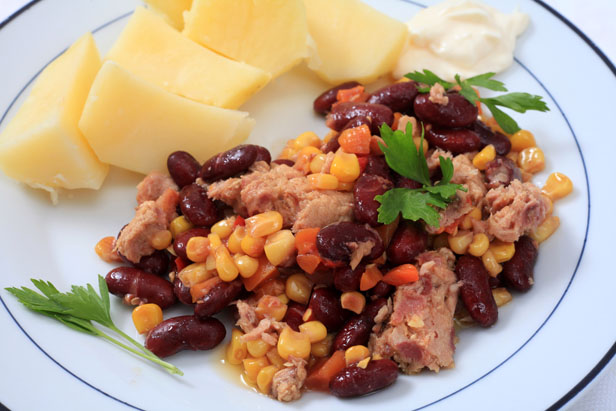
That is straight out of the camera, with only a very minor contrast adjustment (shot on a Canon 5d II, using a micro-Nikkor 55/3.5 set at f8 or f11, and a couple of cheap "hair lights" with a fixed flash output - guide number 80 or 100, I can't remember as the digital review does away with the need to calculate flash).
If people want to try food photography, it's probably worth mentioning that very small changes to the position of lights and reflectors can have a major impact on how pleasing an image looks, so try shifting the lights about. Even Alessandro's single backlight would produce different results depending on the height and size of the light and the size and distance of the reflector.
Some purists claim that the ONLY professional way to shoot food is with natural light, and that flash always produces greasy-looking hightlights... so using daylight and white reflectors is another possibility if you don't have flash. Food doesn't run away, so long exposures are not a problem.
_________________
View or buy my photos at:
http://shutterstock.com/g/paulcowan |
|
| Nach oben |
|
|
|
|
 Deutsch
 Español
 中文
 Magyar
 Русский
 日本語
 Français