| Vorheriges Thema anzeigen :: Nächstes Thema anzeigen |
| Autor |
Nachricht |
Xpres 


Anmeldungsdatum: 11.12.2007
Beiträge: 964
Wohnort: UK
Expire: 2014-10-28
|
|
| Nach oben |
|
 |
Orio

Anmeldungsdatum: 24.02.2007
Beiträge: 29545
Wohnort: West Emilia
Expire: 2012-12-04
|
 Verfasst am: Sa Jun 20, 2009 1:44 pm Titel: Re: Bessa II snaps |
|
Verfasst am: Sa Jun 20, 2009 1:44 pm Titel: Re: Bessa II snaps |
|
|
Orio wrote:
| Xpres hat folgendes geschrieben:: |
I think I prefer using fresh black and white film |
Colour negative film is a problem today and will be more and more.
The problem is mainly that to render good colours, the negative film must be processed impeccably. But today, film labs have less and less requests to develop colour negative films, and for this reason, they leave the chemicals in the machines for much longer than they should.
I have noticed that the quality of my colour negatives is much worse today than it used to be 10-15 years ago.
So I think today the only sensible use of colour negatives are two:
1- if you have the facilities to develop them at home (difficult, are requires some expensive equipment to minimize the errors)
2- if you plan to use them only as a medium to obtain B&W scans cheaply.
Slides are not so much affected apparently, I think because slides have much better colours to start with, and secondly, slides still probably generate more business, because people still like to make slide shows of their vacations etc (like me for instance).
_________________
Orio, Administrator
T*
NE CEDE MALIS AUDENTIOR ITO
Ferrania film is reborn! http://www.filmferrania.it/
Support the Ornano film chemicals company and help them survive!
http://forum.mflenses.com/ornano-chemical-products-t55525.html |
|
| Nach oben |
|
|
Farside


Anmeldungsdatum: 01.09.2007
Beiträge: 6579
Wohnort: Ireland
Expire: 2013-12-27
|
Verfasst am: Sa Jun 20, 2009 4:35 pm Titel: |
|
Verfasst am: Sa Jun 20, 2009 4:35 pm Titel: |
|
|
Farside wrote:
Well, if colour film vanishes entirely, there's always the tri-chrome process.
http://www.flickr.com/photos/bgohacki/2526693205/
Something I fully intend to have a go at, with the huge advantage of simple monochrome processing, and image combination on the computer, making it so much easier than those blokes had.
_________________
Dave - Moderator
Camera Fiend and Biograph Operator
If I wanted soot and whitewash I'd be a chimney sweep and house painter.
The Lenses of Farside (click)
BUY FRESH FOMAPAN TO HELP KEEP THE FACTORY ALIVE ---
Foma Campaign topic -
http://forum.mflenses.com/foma-campaign-t55443.html
FOMAPAN on forum -
http://www.mflenses.com/fs.php?sw=Fomapan
Webshop Norway
http://www.fomafoto.com/
Webshop Czech
https://fomaobchod.cz/inshop/scripts/shop.aspx?action=DoChangeLanguage&LangID=4 |
|
| Nach oben |
|
|
Orio
Anmeldungsdatum: 24.02.2007
Beiträge: 29545
Wohnort: West Emilia
Expire: 2012-12-04
|
Verfasst am: Sa Jun 20, 2009 4:50 pm Titel: |
|
Verfasst am: Sa Jun 20, 2009 4:50 pm Titel: |
|
|
Orio wrote:
| Farside hat folgendes geschrieben:: |
Well, if colour film vanishes entirely, there's always the tri-chrome process.
http://www.flickr.com/photos/bgohacki/2526693205/
Something I fully intend to have a go at, with the huge advantage of simple monochrome processing, and image combination on the computer, making it so much easier than those blokes had. |
How do you perform it, you take 3 shots with red, green, blue filters I suppose?
_________________
Orio, Administrator
T*
NE CEDE MALIS AUDENTIOR ITO
Ferrania film is reborn! http://www.filmferrania.it/
Support the Ornano film chemicals company and help them survive!
http://forum.mflenses.com/ornano-chemical-products-t55525.html |
|
| Nach oben |
|
|
Farside
Anmeldungsdatum: 01.09.2007
Beiträge: 6579
Wohnort: Ireland
Expire: 2013-12-27
|
Verfasst am: Sa Jun 20, 2009 5:46 pm Titel: |
|
Verfasst am: Sa Jun 20, 2009 5:46 pm Titel: |
|
|
Farside wrote:
That's about it, yes. Some use slightly different filters, and the French bloke Ducos du Hauron used different ones. Easily found, anyway.
The proper method of doing it would be a three-way lens, of course, effectively a triple camera. Saves having to get your model to stay still, or we could re-introduce neck braces and brackets in the studio 
_________________
Dave - Moderator
Camera Fiend and Biograph Operator
If I wanted soot and whitewash I'd be a chimney sweep and house painter.
The Lenses of Farside (click)
BUY FRESH FOMAPAN TO HELP KEEP THE FACTORY ALIVE ---
Foma Campaign topic -
http://forum.mflenses.com/foma-campaign-t55443.html
FOMAPAN on forum -
http://www.mflenses.com/fs.php?sw=Fomapan
Webshop Norway
http://www.fomafoto.com/
Webshop Czech
https://fomaobchod.cz/inshop/scripts/shop.aspx?action=DoChangeLanguage&LangID=4 |
|
| Nach oben |
|
|
Katastrofo
Anmeldungsdatum: 26.02.2007
Beiträge: 10405
Wohnort: USA
Expire: 2013-11-19
|
Verfasst am: So Jun 21, 2009 7:47 pm Titel: |
|
Verfasst am: So Jun 21, 2009 7:47 pm Titel: |
|
|
Katastrofo wrote:
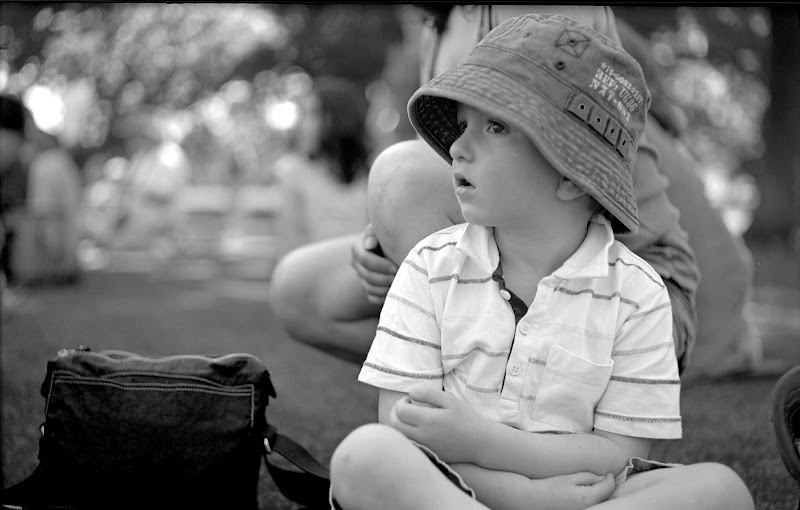
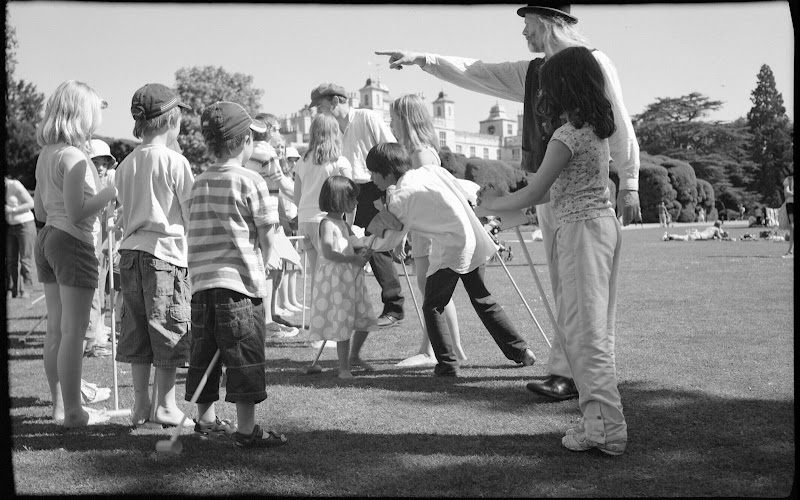
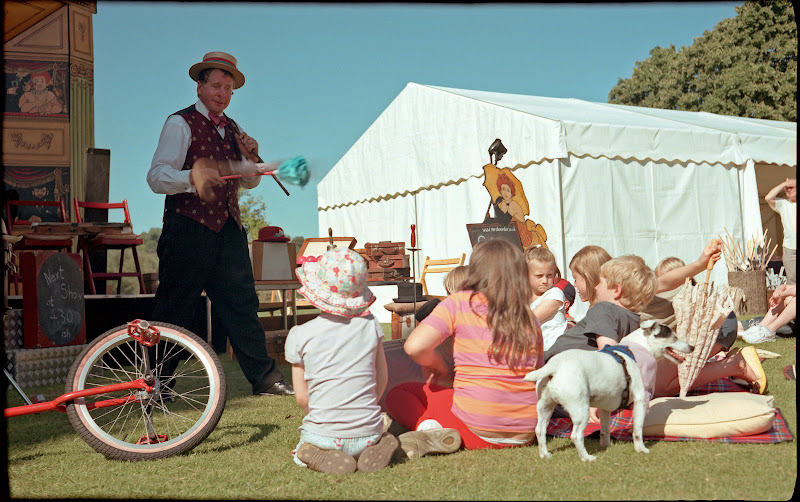
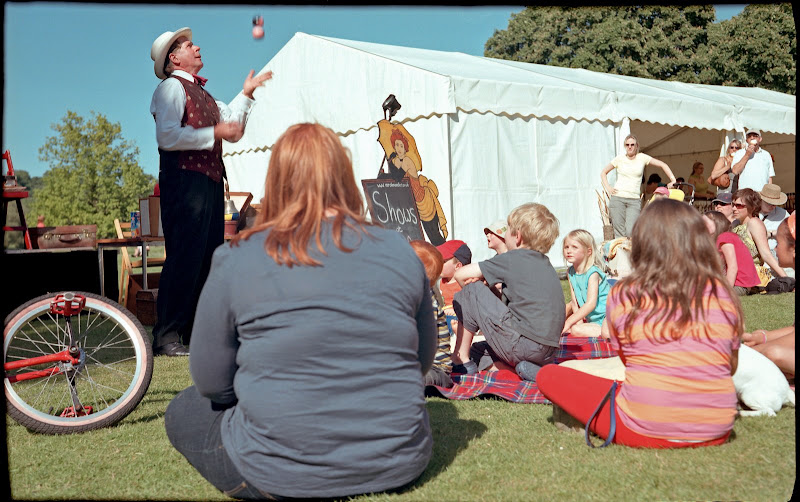
Xpres, truly great results! I like the first two, the BW's , the best. |
|
| Nach oben |
|
|
Nesster

Anmeldungsdatum: 24.04.2008
Beiträge: 5883
Wohnort: NJ, USA
Expire: 2014-02-20
|
Verfasst am: So Jun 21, 2009 8:48 pm Titel: |
|
Verfasst am: So Jun 21, 2009 8:48 pm Titel: |
|
|
Nesster wrote:
Yes, you really used the camera as intended, with fantastic results.
_________________
-Jussi
Camera photos
Print Photographica
|
|
| Nach oben |
|
|
Xpres
Anmeldungsdatum: 11.12.2007
Beiträge: 964
Wohnort: UK
Expire: 2014-10-28
|
Verfasst am: So Jun 21, 2009 10:21 pm Titel: |
|
Verfasst am: So Jun 21, 2009 10:21 pm Titel: |
|
|
Xpres wrote:
Thanks for the comments guys - I may well stick to B&W for the old cams.
That trichrome stuff is fascinating though - thanks for the link.
_________________
Film... and sometimes SD14, 5D2 and some other suff! |
|
| Nach oben |
|
|
Nesster
Anmeldungsdatum: 24.04.2008
Beiträge: 5883
Wohnort: NJ, USA
Expire: 2014-02-20
|
Verfasst am: Mi Jun 24, 2009 7:09 pm Titel: |
|
Verfasst am: Mi Jun 24, 2009 7:09 pm Titel: |
|
|
Nesster wrote:
For a while there I messed around with a technicolor process, in photoshop. I got my instructions from an article in a 1938 Miniature Camera Work book

Essentially here's what you do:
Start with a color scan
make three b&w layers through a red, blue and green filter respectively. (I wonder, would making these layers using the channel mixer work better... hmmm)
Call them r b and g... color each to its opposite color - c y m - so you have three monochrome layers, r/cyan, b/yellow, and g/magenta.
Blend using darken. You can add a bit of blur to one or another layer - a bit of motion blur helps too to simulate being slightly out of register.
For this experiment I duped the green and red layers, shifted the color and brightness and blended back in with soft light.

This one was the first I did, and it came out exactly like the original, so I had to mess with it to degrade it some...

Here's one from the Victar in the Certo Super Sport Dolly. For this I included a black layer (CYMK)

I use a free plugin "Virtual Photographer" to make the process easy - I can 'shoot' B&W through colored filters, then tone the results.
Anyway, this came to mind with the mention of the tri-chrome process.
_________________
-Jussi
Camera photos
Print Photographica
|
|
| Nach oben |
|
|
Farside
Anmeldungsdatum: 01.09.2007
Beiträge: 6579
Wohnort: Ireland
Expire: 2013-12-27
|
Verfasst am: Mi Jun 24, 2009 11:32 pm Titel: |
|
Verfasst am: Mi Jun 24, 2009 11:32 pm Titel: |
|
|
Farside wrote:
Fascinating, and it's jogged my memory.
Last year I read about or saw a process that was used to rescue some old UK tv series that was missing some episodes. The original colour tape had disappeared but there was a telecine monochrome available. Some genius worked out that the colour information was still on there, buried in the mono emulsion, so proceeded to extract it.
Effectively, it was a false-colour image each frame ended up as, but the false colours were pretty damn good, I thought, as I watched it.
edit.
Just recalled the origin of the b&w movie - it was actually a movie taken of a colour monitor, so the frames contained info pertaining to the colours as they were displayed on that screen.
_________________
Dave - Moderator
Camera Fiend and Biograph Operator
If I wanted soot and whitewash I'd be a chimney sweep and house painter.
The Lenses of Farside (click)
BUY FRESH FOMAPAN TO HELP KEEP THE FACTORY ALIVE ---
Foma Campaign topic -
http://forum.mflenses.com/foma-campaign-t55443.html
FOMAPAN on forum -
http://www.mflenses.com/fs.php?sw=Fomapan
Webshop Norway
http://www.fomafoto.com/
Webshop Czech
https://fomaobchod.cz/inshop/scripts/shop.aspx?action=DoChangeLanguage&LangID=4 |
|
| Nach oben |
|
|
|
|
|
Du kannst keine Beiträge in dieses Forum schreiben.
Du kannst auf Beiträge in diesem Forum nicht antworten.
Du kannst deine Beiträge in diesem Forum nicht bearbeiten.
Du kannst deine Beiträge in diesem Forum nicht löschen.
Du kannst an Umfragen in diesem Forum nicht mitmachen.
|
 Deutsch
 Español
 中文
 Magyar
 Русский
 日本語
 Français